Winter Driving Safety Tips: Staying Safe in Snow and Ice

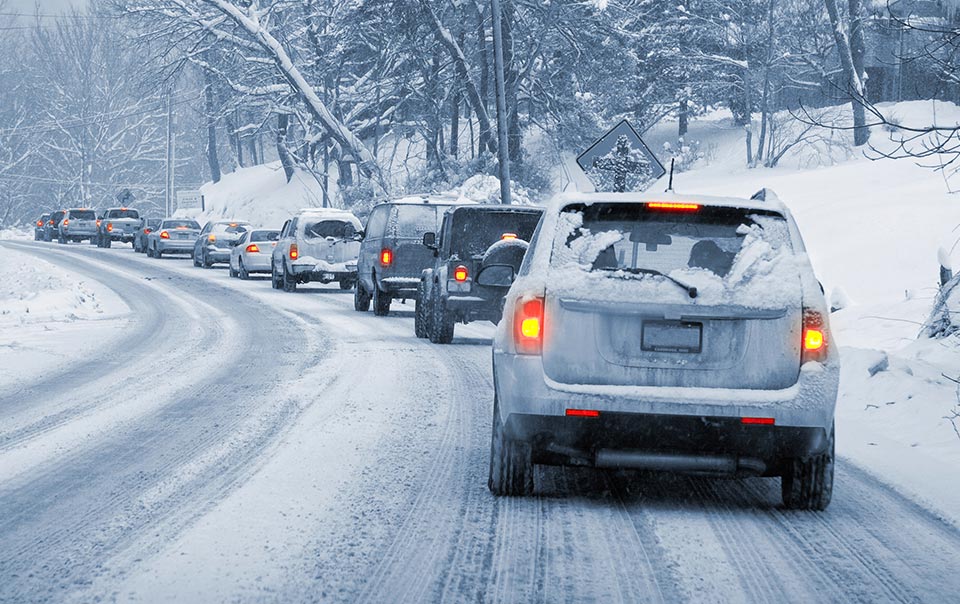
When winter weather strikes, drivers face many challenges on the road. Snow, slush and ice can make roads slippery, reduce visibility and make it more difficult to slow down and stop, contributing to nearly one in four weather-related vehicle crashes1. Extra caution is vital.
These winter driving safety tips can help you prepare your vehicle, adjust your driving habits and stay safe in snow, ice and freezing temperatures.
Preparing your vehicle for winter weather
Getting your car winter-ready before harsh weather sets in is one of the most important things you can do. A little preparation now can help prevent big problems later.
- Stock your car - Include a winter driving survival kit with essentials such as an ice scraper, a snow shovel and sand or road salt.
- Check your tires - Replace them if worn or switch to snow tires if you drive frequently in snowy or icy conditions.
- Inspect your wipers - Top off washer fluid so you can keep the windshield clear of snow and ice.
- Maintain a full gas tank - This helps you stay warm if stranded and helps prevent frozen fuel lines, which can cause starting problems in cold weather. For extra protection, use a fuel additive such as dry gas to reduce the risk of freezing.
- Prevent a dead battery - Run your car regularly or idle it in a well-ventilated area every few days to help prevent a dead battery.
All-season tires or snow tires?
When it comes to winter driving safety, two common tire options are snow tires and all-season tires. Each has unique features and benefits depending on your location, driving habits and vehicle.
All-season tires
All-season tires are designed to handle a variety of road conditions year-round, including light snow.
Benefits
- Typically last longer and provide a quieter, smoother ride.
- Convenient because they don’t need to be changed seasonally.
- Perform adequately in mild winter weather and light snow.
Considerations
- As temperatures drop, all-season tires’ harder rubber compounds stiffen, reducing traction on icy roads.
Snow tires
Snow tires (sometimes called winter tires) are built specifically for cold temperatures and snowy or icy conditions.
Benefits
- Softer rubber compounds stay flexible in freezing weather, improving grip.
- Tread patterns include more sipes (tiny grooves) for extra traction on snow and ice.
Considerations
- Snow tires wear faster in warmer temperatures and need to be swapped out when the season changes.
Do you need snow tires?
Whether snow tires are right for you depends on several factors:
- Climate - If you live in an area with heavy, frequent snowfall, snow tires are recommended.
- Vehicle - Snow tires are particularly important for front- and rear-wheel vehicles. All-wheel and four-wheel-drive vehicles perform better in slippery conditions but still not as well as they do if they have snow tires.
- Driving habits - If you must drive in snowy conditions, snow tires may be worth the investment. If you can wait until after roads have been cleared, all-weather tires may be an acceptable choice.
Watch the weather before you drive
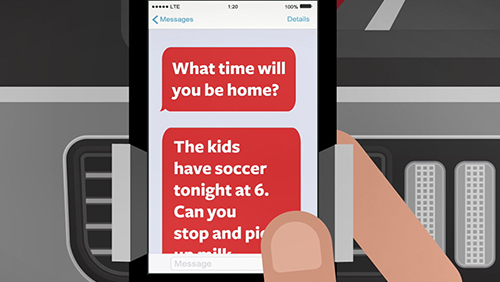
Staying informed is one of the simplest cold-weather driving tips. If you plan to travel in inclement weather, check conditions in advance and stay informed by checking local news, traffic reports and online weather sites. Consider signing up for text alerts for immediate notification of severe weather in the area. Just remember not to use your phone while driving and minimize all other distractions when you’re behind the wheel.
Driving safely in winter conditions
Clear all snow and ice from your vehicle before heading out – including your windows, mirrors, lights, reflectors, hood, roof and trunk. Turn on your headlights and keep them clean to improve visibility. Take extra care near snowbanks or piles of plowed snow, which can block your line of sight to pedestrians or oncoming traffic.
Safe driving in ice and snow
Remember that speed limits are meant for dry roads, not roads covered in snow and ice. In wintry conditions:
- Reduce speed and increase following distance as conditions worsen and visibility is reduced.
- Avoid using cruise control – you need full control over your car.
- Be cautious on bridges and overpasses, which often freeze first.
- Don’t pass snowplows or salt trucks. Their drivers may have limited visibility and the road in front of them could be worse than the road behind.
Black ice safety tips
Black ice looks like wet pavement, but it’s actually clear, thin ice. It lets the road beneath show through, causing it to appear dark, wet and shiny2. This makes black ice difficult to see and especially dangerous for both drivers and pedestrians. Fog, light freezing rain, and melting and refreezing precipitation can all cause black ice to form.
Black ice can develop on cooler surfaces even if the air temperature is above freezing. Moisture from vehicle exhaust can also cause unexpected patches, such as in intersections where cars idle briefly. If you are driving in conditions in which black ice is possible:
- Slow down and increase your following distance.
- Check local weather forecasts.
- Consider delaying travel if conditions are hazardous.
Avoid hydroplaning in slush and rain
Wet or slushy roads can cause hydroplaning, which occurs when tires ride on a thin layer of water above the road, reducing traction and control. Risk factors include speed, the amount of water on the roadway, tire tread and pressure, your vehicle’s weight and the road surface. Vehicles can hydroplane at speeds as low as 30 mph.
To reduce your risk of hydroplaning:
- Avoid driving through standing water or deep slush.
- Slow down so your tires can channel water through their treads.
- Watch for smaller, lighter vehicles that may lose control more easily.
- Turn on your headlights so other drivers can see you better.
- Be especially cautious just after precipitation begins, when road oils can create slick conditions.
Expect changing road conditions
Even the day after a storm, always assume there could be icy road safety risks ahead. Roads may be clear in one area but icy in another due to elevation, road treatment and other factors. Freezing and melting precipitation can create new dangers overnight. Even when air temperatures rise above 32 degrees, pockets of ice can persist, posing a risk to drivers.
Be aware of other drivers
Even if you know the area and are experienced with driving on icy roads, not everyone is prepared for driving in the snow safely. Increase your following distance to compensate for the longer stopping times required on slick surfaces. Be aware that larger vehicles, such as tractor trailers, may need even more distance to stop in adverse weather conditions.
What to do if your car breaks down or gets stuck
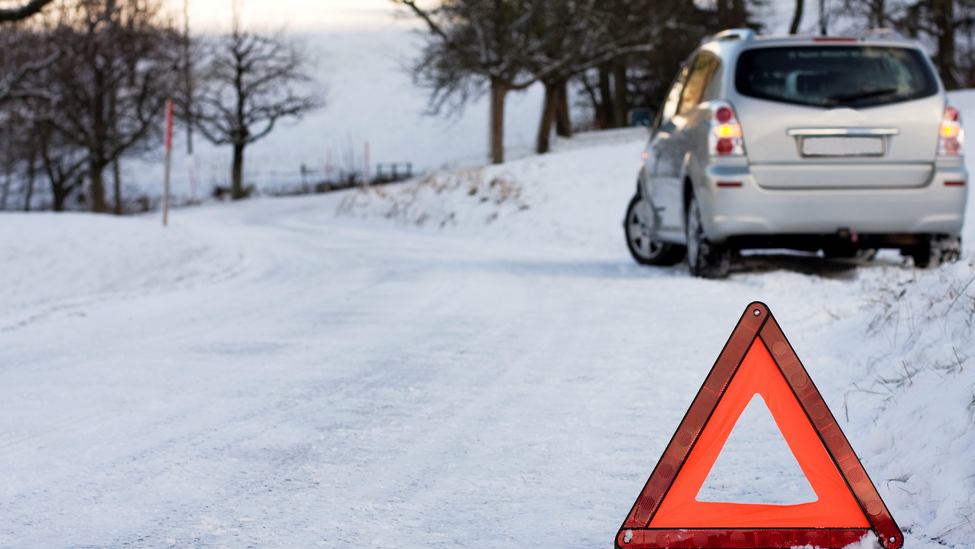
If you are unexpectedly caught in a snowstorm and become stranded, stay in your car and wait for help – as long as you’re safely out of harm’s way. To stay warm, you can run the car heater for about 10 minutes every hour, but first make sure the exhaust pipe is clear of snow. A blocked pipe can cause deadly carbon monoxide to build up in your car. Keeping a window slightly open can help prevent any gases from building up.
Know where to stop safely
If conditions worsen, it’s safer to wait out the storm. Rest stops and parking lots are generally safer than the side of the road, where limited visibility may create hazards from snowplows and other traffic.
Stay safe on winter roads
Even experienced drivers face challenges in winter weather, so it’s important to take extra precautions. Always wear your seatbelt and slow down, allowing for longer stopping times when roads are slick. Stay alert by minimizing distractions and keeping your full attention on the conditions around you. If your route takes you into remote areas with limited cellphone coverage, consider sharing travel plans – including your route and arrival time – with a third party. This way, if you don’t arrive when expected, first responders will know where to start looking. And don’t forget: Proper car safety in winter also includes insurance protection.
Reach out to your Travelers representative or local independent agent for a car insurance quote and see if you can save on your premiums.