Construction Safety Week 2026

Recognize. Respond. Respect.
As a committed supporter of safety in the construction industry, Travelers is proud to once again sponsor Construction Safety Week and support OSHA’s National Safety Stand-Down Week. Both events take place May 4-8, 2026. This year’s Construction Safety Week theme, Recognize • Respond • Respect, reinforces the idea that safety starts with awareness and is sustained through action and accountability. Recognizing hazards early, responding with effective controls, and respecting both the work and the people performing it are critical at every phase of a project. We are part of the crew and have curated resources, this year focusing on the 10 hazards of the Energy Wheel, to help prioritize safety from the outset and protect the construction industry’s most valuable assets – its workers.
Learn more about this year's initiative.
Visit Construction Safety Week
Energy Wheel
The Energy Wheel is a visual tool that shows the different types of energy present on a jobsite – such as electrical, mechanical, pressure, gravity, temperature, chemical and motion – to help workers recognize where hazardous energy exists and take steps to control it before it causes injury.
Gravity
Falls
Falls are frequently discussed and widely known to be one of the biggest causes of injury or worse in construction. Our "Fall Protection Safety Quick Tips" resource shares practical and proven strategies to help reduce fall exposures experienced by construction workers. These measures should be tailored to each job site’s unique needs by addressing the work environment's specific conditions.
Why does this matter?
- In 2022, nearly 1 out of every 5 workplace fatalities happened in construction.1
- Of those construction fatalities, 38.4% were caused by falls, slips and trips.2
- Construction workers made up almost half (47.4%) of all fatal falls across every industry.3
Sources
1,2,3 U.S. Bureau of Labor Statistics (BLS)
Electrical
Focus Four
Electrocution is part of OSHA's Focus Four for good reason. It remains one of the leading causes of construction fatalities in the United States year over year. OSHA reports that 70% of workplace electrical fatalities involve non-electrical workers such as laborers, arborists, HVAC technicians, roofers and painters. Have you assessed the electrical risk that may impact your team and identified appropriate controls to mitigate these risks?
Learn more about electrical hazards and ways to help minimize risks.
Motion
Material handling
Although the movement of materials, equipment and refuse is required by almost all tradespeople, assessing the hazards and implementing associated controls can sometimes be overlooked. The "2025 Travelers Injury Impact Report" found that overexertion is the most common cause of injury in the last five years. However, utilizing safe material handling techniques can help protect workers from material handling related injuries.
Learn more about material handling strategies and best practices.
Mechanical
Struck-by
Construction workers face a disproportionate risk of struck-by vehicle incidents. According to OSHA, one in four “struck by vehicle” fatalities involve construction workers, more than any other occupation. The persistent frequency of these accidents has earned struck-by hazards a place on OSHA's Focus Four, the agency's list of the most critical dangers on construction sites.
Protecting workers requires a layered approach. By combining multiple controls to address a given hazard, teams can significantly reduce the likelihood of an unplanned and potentially fatal event.
Learn best practices for crew members across multiple roles and job stages, emphasizing that no single safeguard is enough.
Pressure
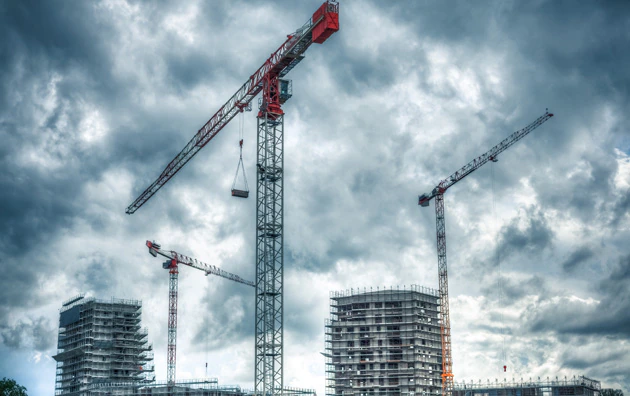
Cranes
Cranes rely on high-pressure hydraulic systems to lift and control loads. A sudden loss of pressure, hose failure or unintended release of stored hydraulic energy can result in dropped loads, uncontrolled boom movement or fluid injection injuries. Proper inspection, pressure relief controls and energy isolation during maintenance are critical to helping to prevent serious incidents.
Lockout/tagout (LOTO)
LOTO hazardous energy controls are critical for helping to prevent devastating injuries or fatalities during equipment maintenance and servicing. Learn ways to help identify energy sources, establish reliable isolation practices and strengthen your safety program.
Pneumatic
Pneumatic tools (like nail guns, impact wrenches or air hammers) are powered by compressed air, a form of stored energy. When that energy is released unexpectedly through events like a hose rupture, accidental trigger or residual pressure, serious injuries can occur. Read more on hand and power tool standards, hazards and solutions.
Sound
Excessive noise
Excessive noise from tools, heavy equipment and operations can damage hearing and mask critical warning signals on the jobsite. High noise levels on construction sites are a leading cause of permanent hearing loss, with approximately 14% of construction workers experiencing hearing difficulty and 7% reporting tinnitus. Left unaddressed, hearing loss affects communication and daily life and can contribute to anxiety, depression and social isolation.
Recognizing high-noise environments, implementing engineering controls and proper hearing protection, and acknowledging the long-term impact of noise exposure are all essential steps to help preserve worker safety and health. Access Travelers training and resources on air sampling and noise dosimetry to learn more.
Temperature
Heat illness
The National Safety Council reported that in 2023, there were 294 outdoor heat related fatalities in the United States. Due to the nature of their work, most construction workers are at an increased exposure to outdoor heat. As summer months approach, pre-planning can help reduce the risk of a worker experiencing a heat emergency on your project.
An effective heat illness prevention plan helps to identify environmental and personal risk factors and establishes controls such as modified work schedules and acclimatization plans for new or returning workers. A key step in recognizing outdoor heat hazards is the regular monitoring of both outdoor temperature and heat index. High humidity decreases the evaporation rate of sweat and impacts cooling of the body. Apps like the OSHA – NIOSH Heat Safety Tool can provide information on temperature and heat index to assist in planning work to help reduce worker exposures to outdoor heat.
Heat related illnesses can progress rapidly from minor symptoms to serious illness and even fatality. Discover ways to help workers recognize and respond to heat illness symptoms.
Biological
Mental health
Mental health is an important part of overall health and well-being. It affects how we think, feel and act. According to the National Institute of Mental Health, more than 1 in 5 U.S. adults experience mental illness each year. After an employee suffers a workplace injury, they may experience issues that affect their ability to go back to work. Often times these problems are not always physical. Psychosocial factors may have a profound impact on worker health and well-being. See what the statistics say about mental health in the Construction industry.
Insect bites/ticks
Construction workers often spend long hours outdoors, where insect bites and tick exposures are common hazards. These bites can transmit serious illnesses, including Lyme disease, West Nile virus and other infections. Protecting workers through insect repellent, proper clothing and routine tick checks, as well as educating crews on symptoms, can help reduce the risk and supports overall jobsite safety. Explore ways to help prevent insect related illness.
Chemical
Fire
According to NFPA data, not only are fires in structures under construction trending upward, they also result in an average of 5 fatalities and 59 injuries annually. Key exposures include hot work, smoking, combustible material storage and temporary electrical installations. Learn ways to help reduce the risk of fire on your project.
Silica
Respirable crystalline silica is a chemical hazard present on a wide variety of construction sites whenever cutting, drilling or shaping of concrete, asphalt or stone occurs. Exposure can lead to silicosis, a serious and incurable lung disease. Recognizing tasks that expose workers to respirable silica and implementing controls are key steps in helping to prevent long term health impacts.
Substance abuse
NYU Public Health data shows construction workers are more likely to use drugs than those in other professions. A Travelers mental health survey found that 63% of respondents lack access to resources for managing non-medical substance misuse. See what steps employers in the construction industry are taking to help recognize and respond to this critical issue.
Radiation
Sun exposure
Per the CDC, nearly 6 million people treated for skin cancer each year in the United States. Construction workers face increased risk due to the long hours they spend outdoors exposed to UV radiation. Prolonged and repeated sun exposure can lead to serious forms of skin cancer, including basal cell carcinoma, squamous cell carcinoma and melanoma. Research shows outdoor workers are particularly vulnerable due to frequent sun exposure and limited use of protective measures. Read about what you can do.
Welding
Welding exposes construction workers to radiation from the welding which can cause eye injuries like welder's flash and skin damage without proper protection. Proper PPE, including welding helmets with appropriate filter lenses and protective clothing, is essential for welders and those working nearby. Combined with adequate ventilation and hazard communication, these practices can help reduce injuries and risks associated with welding operations. See how you can keep welding safety front and center at the worksite.
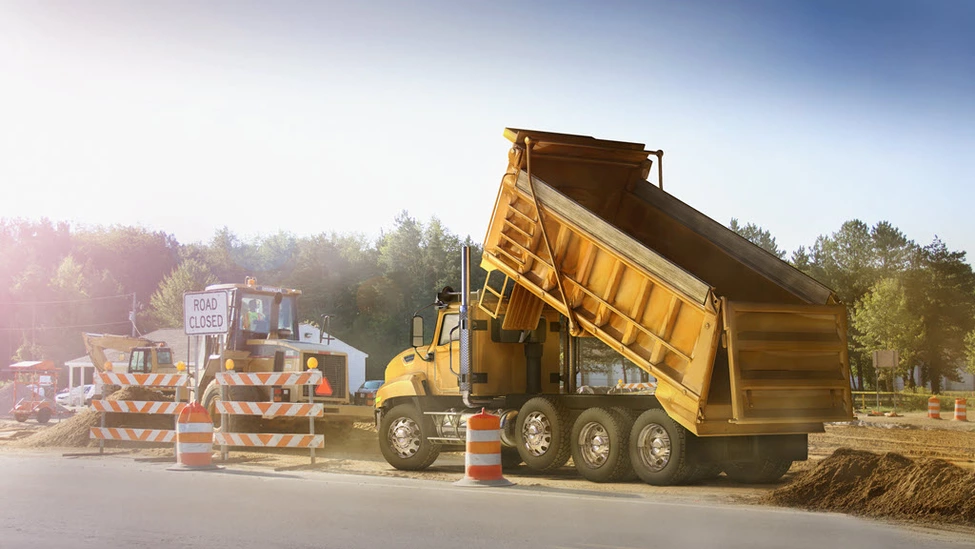
Strategies and Best Practices for Construction Fleet Safety
Motor vehicle accidents are a top source of injury for construction workers. Explore construction fleet safety strategies and best practices to help keep workers safe.
Related services
Risk Control
Travelers risk control construction specialists have the knowledge and the experience to meet your risk control needs and to help you take a proactive approach to safety and accident prevention.
Risk Management Information Services (RMIS)
Travelers RMIS uses advanced technology to gather and analyze many elements that can have a significant impact on loss experience.
Prepare & Prevent
Workplace Safety Resources
The Travelers Injury Impact Report
Travelers knows firsthand that injuries can occur in any business, regardless of industry or size. Learn more in the Travelers Injury Impact Report.
Construction Resources
Constructive Conversations About Suicide Prevention
Mental health is a major issue in the construction industry. Watch construction workers share their firsthand experiences and how they are addressing mental health.
Construction Resources
Preparing Your Construction Site for Severe Weather
Severe weather damage can add both cost and time to a construction project. Learn how to help protect your construction site from severe weather.