The Dangers of Driving at Night

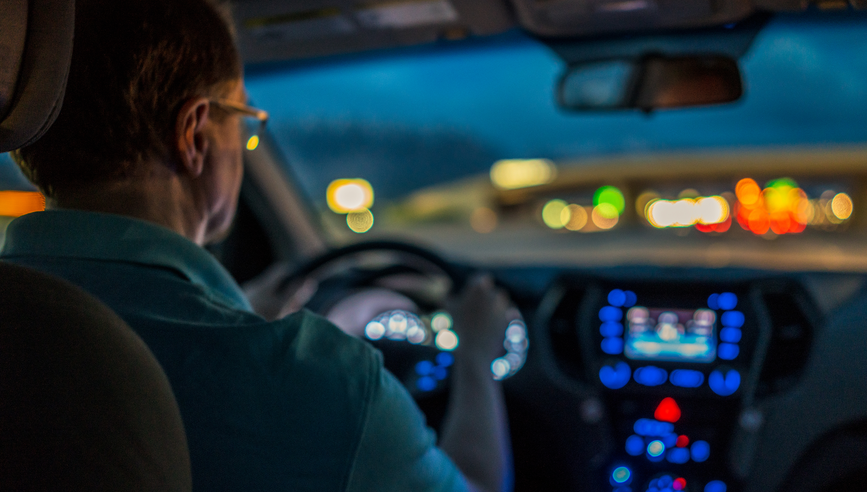
Driving at night comes with its own set of challenges and risks, making it more dangerous than daytime driving. Despite representing only a fraction of overall driving activity, nighttime hours account for more than half of traffic fatalities, according to the Federal Highway Administration.1 Understanding these risks can help drivers make more informed choices and adopt safer practices.
Key hazards of nighttime driving
The higher risk of night driving can be attributed to a variety of factors, including:
Reduced visibility
Darkness can impair vision, making it more challenging to see pedestrians, cyclists and other vehicles. At night, a driver’s visibility with high-beam headlights typically ranges from 350 to 500 feet of the road, while normal headlights reduce visibility even further. This limited range offers less time to detect and respond to potential hazards, increasing the likelihood of nighttime accidents.2
Driver fatigue and drowsiness
Navigating the roads during the nighttime hours can be challenging, especially late at night or just before dawn. Adequate rest is crucial, as driving on insufficient sleep can impair drivers’ abilities similarly to alcohol consumption, according to the National Sleep Foundation. Prioritizing rest can help ensure safer travels.3 There tend to be more tired drivers on the road at night and just before dawn than any other time of the day.
Impaired drivers
Nighttime driving poses heightened risks, as you're more likely to encounter impaired drivers. According to the National Highway Traffic Safety Administration (NHTSA), drivers involved in fatal crashes in 2022 were nearly three times more likely to be alcohol-impaired at night. The period from midnight to 3 a.m. is especially hazardous, with about two-thirds of fatal crashes during this time involving alcohol-impaired drivers.4
Safety strategies for nighttime driving
Help reduce the risks linked to nighttime driving by implementing these safe driving techniques:
Use headlights effectively
Proper headlight use can enhance visibility while minimizing glare for other drivers. Opt for high beams when driving in areas without oncoming traffic.
Use modern driving technology and tools
Leveraging technology can help improve safety during nighttime driving. Advanced driver assistance systems (ADAS), including adaptive headlights, collision warning systems and night vision technology that utilizes infrared light or thermal energy, can help detect objects difficult to see in the dark.
Stay alert on the road
Help avoid sleep-deprived driving by getting seven to nine hours of sleep before you hit the road.5 Stave off sleepiness by taking breaks during long trips and avoiding late-night driving whenever possible.
Reduce your speed
The posted speed limit is the maximum speed you can legally drive, but it makes sense to go slower when driving in the dark.
Increase following distance
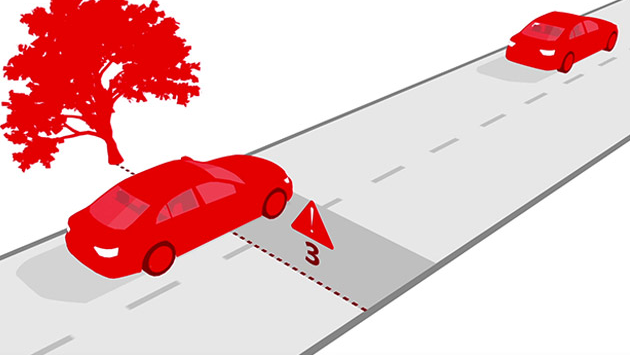
The three-second following rule isn’t enough when driving at night. Be sure to maintain at least twice that distance from the vehicle ahead of you to help allow for more time to react to sudden stops or emergencies.
Buckle up
Using a seat belt is always important, including at night. Seat belt use can greatly reduce the chance of being thrown from the vehicle, which is often deadly. According to NHTSA, 56% of those killed in nighttime crashes in 2023 were unrestrained, underscoring the value of buckling up.6
Avoid the most dangerous hours
If you must drive at night, try to avoid the hours between midnight and 3 a.m. on weekends, when you’re most likely to encounter drunk drivers on the road.7
Monitor vision changes over time
According to the American Optometric Association, night vision often deteriorates with age, heightening the risks associated with nighttime driving. To counter this, schedule annual eye exams and consider limiting night driving if necessary.8
The financial implications of nighttime driving
Nighttime driving raises risks, which can translate to significant financial consequences. Crashes that occur at night tend to be more severe, often resulting in higher injury and fatality rates.9 According to the National Safety Council, the average cost of a crash resulting in a disabling injury is $167,000, factoring in lost work time, medical expenses and vehicle damage.10
Insurance companies assess drivers based on their risk profiles, and those with records of nighttime accidents may be classified as high risk. This categorization can lead to increased car insurance premiums, which may persist for several years. Beyond the financial implications, road accidents can impose significant emotional and mental health burdens on individuals, families and communities.
Technology solutions for safer nighttime driving
Telematics technology can help improve safety through sensors and mobile apps that monitor driving patterns and provide insights designed to encourage safer driving habits over time. This technology, available through insurers that offer usage-based insurance, tracks night driving and encourages daytime driving, which could potentially lead to lower premiums, though riskier driving behaviors may result in increased premiums.
Drive safer at night
Understanding the dangers of nighttime driving, such as reduced visibility, drowsiness and impaired drivers, is a first step toward staying safer on the road. By switching to daytime driving when possible and following safer driving strategies when you must drive after dark, you can reduce your risks and help create safer roads.
Ready to learn more about how Travelers can help protect you on the road? Reach out to your Travelers representative or local independent agent to discover the benefits of our auto insurance policies today.
Sources
1https://highways.dot.gov/safety/other/visibility/nighttime-visibility-general-information
2https://ops.fhwa.dot.gov/publications/fhwahop16050/m7.htm
3https://www.sleepfoundation.org/drowsy-driving/drowsy-driving-vs-drunk-driving?utm
4https://www-fars.nhtsa.dot.gov/crashes/crashesalcohol.aspx?utm
5https://www.thensf.org/drowsy-driving-prevention/
6https://www.nhtsa.gov/vehicle-safety/seat-belts
7https://crashstats.nhtsa.dot.gov/Api/Public/Publication/811523
8https://www.aoa.org/healthy-eyes/eye-health-for-life/senior-vision?sso=y
9https://injuryfacts.nsc.org/motor-vehicle/overview/crashes-by-time-of-day-and-day-of-week/
10https://injuryfacts.nsc.org/all-injuries/costs/guide-to-calculating-costs/data-details/