How Telematics Can Help Improve Driver Safety

Driving safely is essential for protecting you and your loved ones, but did you know it might also help you save money? Telematics technology provides insights into your driving habits to help you drive more safely and efficiently. Many insurance companies consider driving history and behaviors in their pricing. Telematics technology can help reinforce safe driving and provide policyholders with potential savings on their auto insurance.
What is telematics?
Telematics technology can capture individual driving behaviors such as speed, braking patterns, cellphone use and other distracted driving behaviors. Telematics systems, such as a mobile app-based system, combine telecommunications and informatics to gather and transmit data about driving, often using GPS and sensors. By providing insights into these behaviors, telematics can help drivers understand and improve their driving habits. Regularly reviewing your telematics scores can help encourage safer driving, which could lead to lower insurance costs.
Why telematics matters
Certain riskier driving behaviors, such as speeding and using a mobile device while driving, can lead to hard braking, which in turn can significantly increase the risk of vehicle crashes, injuries and fatalities. According to the National Highway Traffic Safety Administration (NHTSA), an estimated 40,990 people lost their lives in motor vehicle crashes in 2023.1 This statistic underscores the importance of adopting safer driving practices.
Telematics monitors driving behavior, and the data it provides can be used to help increase driver awareness of their driving behaviors. The feedback can help drivers become more conscious of riskier habits and help them focus on where they can improve their driving skills and make safer choices on the road.
How does telematics work?
Insurers offer a variety of telematics programs, but they all share a common goal: to reward safer driving. These programs use telematics technology to collect data over time and provide drivers detailed information on their driving behavior that can be valuable to help reduce crash risks. Drivers can improve their driving habits based on telematics feedback and may also be eligible to lower their auto insurance costs.
What does auto telematics measure?
Vehicle telematics technology typically measures key metrics including speed, braking patterns, time driving and time of day when driving. For insurance carriers, the data related to these factors can also contribute to the formulation of a driver’s risk profile for the purposes of pricing their auto insurance coverage. Typically, the lower the risk, the lower the cost of insurance.
Driving speed
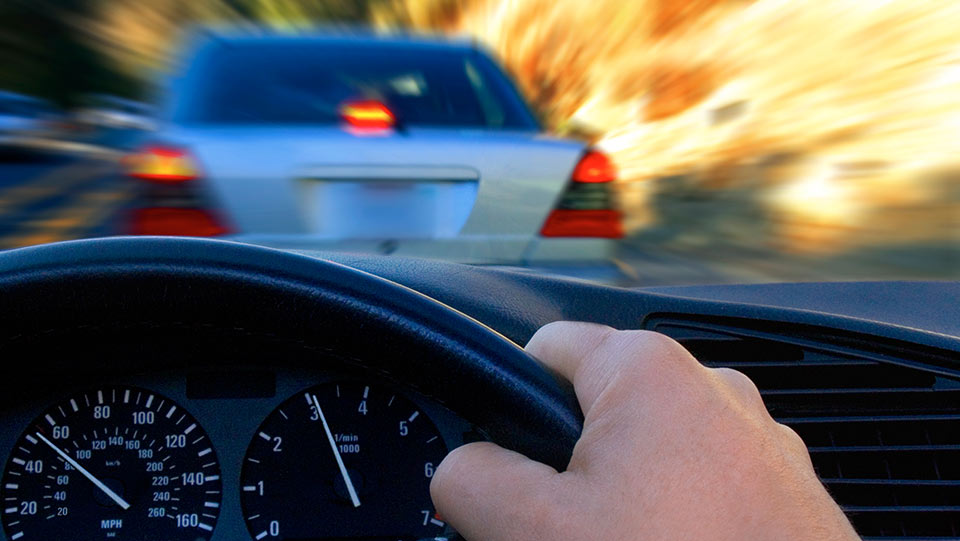
Telematics technology can track the speed at which you drive. Speed is a critical factor in driving safety, as higher speeds can reduce your reaction time and increase the likelihood of accidents. In fact, speeding was a factor in nearly one-third (29%) of fatal crashes in 2022, resulting in over 12,000 fatalities and more than 300,500 injuries, according to NHTSA.2
By offering feedback tips and incentives to reduce speed, telematics programs encourage safer driving practices. Slowing down can help enhance your ability to respond to road hazards, improve stopping time and potentially help decrease the likelihood of crashes and severe injuries.
Braking patterns
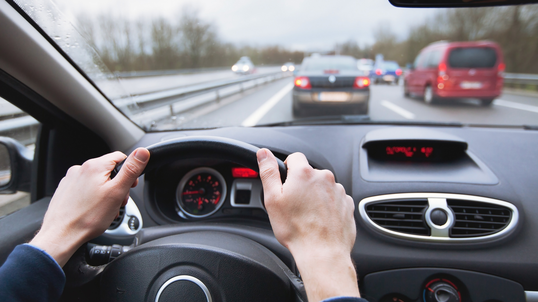
Telematics technology measures braking patterns, including incidents of hard braking. Hard braking is often a result of risky behaviors such as speeding, distracted driving or tailgating. These behaviors can increase the risk of crashes, injuries and vehicle damage.
Beyond the safety risks, aggressive driving behaviors that lead to hard braking can also be expensive. The U.S. Department of Energy estimates that aggressive driving decreases your gas mileage by 10% to 40% in city conditions.3 Telematics programs record hard braking incidents and can encourage safer speeds and following distance to help reduce crash risk and promote fuel efficiency. Added benefits can include savings on insurance premiums and gas.
Time of day on the road
When you drive can be just as important as how you drive. Telematics technology can keep track of the time of day and night you’re on the road, capturing percentages of daytime and nighttime driving. While nighttime driving is sometimes necessary, such as for commuting or family obligations, it poses higher risks.
According to the Federal Highway Administration, about 50% of fatal crashes occur at night, even though only 25% of car travel takes place after dark.4 Factors contributing to the risk of nighttime driving include reduced visibility, fatigue, impaired drivers and poor night vision, according to the National Safety Council.5
Telematics programs can encourage daytime driving when possible. While driving at night is sometimes necessary, choosing to drive during daylight hours, when feasible, can help keep you and your passengers safer while potentially saving you money. Additionally, many telematics programs monitor driving patterns and may penalize drivers for heavy commute times, further incentivizing safer driving practices.
Cellphone distraction
Distracted driving, especially involving cellphones, is a significant cause of accidents. In 2023, distracted driving contributed to 3,275 deaths, according to NHTSA.6 Telematics programs that use cellphone apps can record driver interactions with their devices, reminding them to pull over if they need to enter a destination, choose a podcast or respond to a text message.
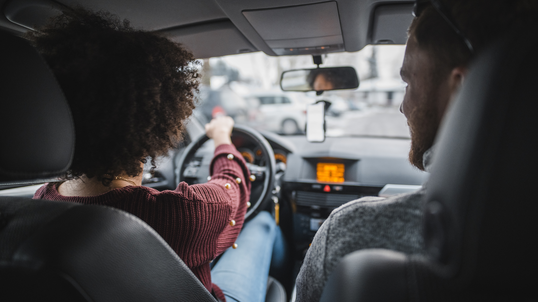
Teen drivers aged 16 to 19 face the highest crash risk of any age group, specifically at night or on weekends, with fatal accidents occurring nearly three times the rate of older drivers per mile, according to the Centers for Disease Control and Prevention.7 Telematics programs can foster important conversations between parents and teens about road safety and safer driving habits by providing detailed information on each driver’s behaviors, helping to raise awareness about risky driving behaviors.
How telematics helps drivers
Telematics technology helps drivers by heightening their awareness of their own driving behaviors so they can focus on improvement and increase their safety. Telematics also provides drivers the potential to save money on their insurance premium based on the way they drive. Enrolling in a vehicle telematics program can be the start of a very positive experience for drivers, and the benefits can be rewarding.
- It can be fun to improve as a driver. Telematics programs often include gamification and friendly competition, incentivizing safer driving. Auto telematics apps can track your progress over time, so you can try to beat your own driving record as you build skills behind the wheel. Some apps offer “badges” that you can collect as a recognition for safer driving.
- Helps keep families safe on the road. For families, telematics can offer a view into how other drivers on your policy drive and can encourage family conversations about safe driving. This can allow parents a glimpse of what is happening when they’re not in the car and help them teach their teens to become safer drivers.
- Can save money. Vehicle telematics can reward safer driving or help you become more aware of unsafe habits for potential savings on insurance premiums. Please note that riskier driving habits can result in increased premium when enrolled in a telematics program.
There are other potential benefits to telematics programs, including the peace of mind one gains from knowing you’re practicing safer driving behaviors. Check out IntelliDrive® from Travelers to learn more.
Earn savings for safer driving
While pricing is an important factor in choosing an insurance policy, consider a telematics program like IntelliDrive from Travelers, which rewards safe driving habits with savings. Common sense practices such as maintaining a safe distance from other vehicles, driving at lower speeds and refraining from using your phone while driving can help you stay safe on the road. Riskier driving behaviors will result in higher premiums.
IntelliDrive helps you become more aware of your driving habits and can encourage safer driving so you and your loved ones can stay safe. By tracking your driving performance, IntelliDrive provides insights into how you and other drivers on your policy drive. This valuable information can spark family discussion about safe driving and help you save money by driving safely.
Contact your local independent agent or Travelers representative to learn more about IntelliDrive.
Sources
1 https://crashstats.nhtsa.dot.gov/Api/Public/ViewPublication/813561
2 https://www.nhtsa.gov/campaign/speeding-catches-up-with-you
3 https://www.energy.gov/energysaver/fuel-economy
4 https://highways.dot.gov/safety/other/visibility/nighttime-visibility-general-information
5 https://www.nsc.org/road/safety-topics/driving-at-night
6 https://www.nhtsa.gov/risky-driving/distracted-driving
7 https://www.cdc.gov/teen-drivers/risk-factors/index.html