Hard Braking Is Often the Result of Dangerous Driving Behavior

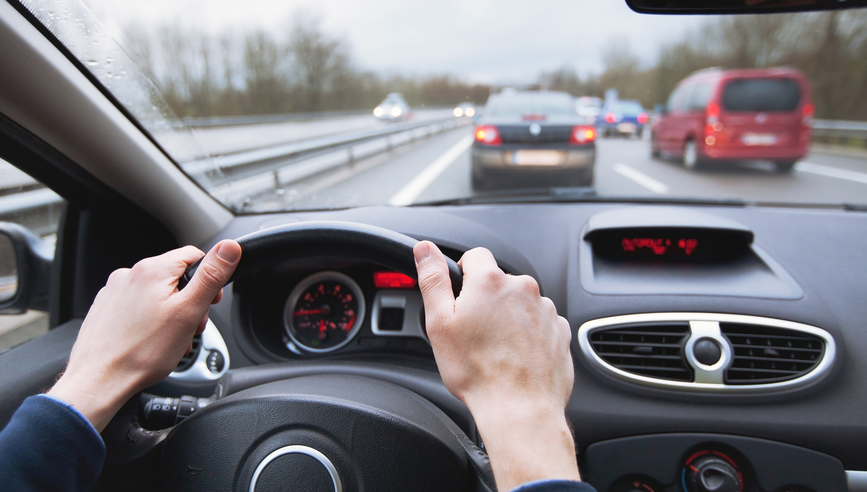
Hard braking is a sudden forced application of brakes to quickly decelerate a vehicle. Reasons for hard braking can vary and can sometimes be unavoidable, such as when a driver must react suddenly to the unsafe driving behavior of another motorist. Hard braking should, however, remain the exception – not the norm. This sudden style of braking not only impacts safety but can also increase wear and tear on your vehicle, potentially leading to higher maintenance costs. Opting for gradual and smooth braking can help enhance your safety, preserve your vehicle and help reduce expenses.
Drivers can also improve their road safety by understanding the risks and consequences of hard braking and adopting techniques to improve and refine their stopping habits.
The dangers of hard braking
Hard braking increases the risk of accidents, particularly rear-end collisions, which accounted for more than 40% of reported crashes in 2022, according to the National Safety Council. This type of collision surpasses other crash types, including angle, head-on and sideswipe incidents.1
Hard braking can also be a sign of risky behaviors such as distracted driving, speeding and tailgating. These habits can reduce reaction time, which increases the likelihood of sudden stops and collisions. Many drivers fail to recognize that hard braking is more than just an abrupt stop. It is likely an indicator of distracted or inattentive driving that should be addressed to help improve safety on the road.
The hazardous consequences of hard braking
Frequent hard braking increases the risk of crashes, which puts drivers, passengers and others on the road at risk. The adverse driving scenarios of hard braking may include:
- Loss of control of vehicle: Sudden braking can cause a vehicle to skid or spin out, especially on wet or icy roads.
- Passenger safety risks: Hard braking may increase the risk of collision, which puts driver and passenger safety at risk. If a collision does occur, cervical spine injuries are common, occurring at a rate of nearly 869,000 per year.2
How safer braking could save you money on insurance
Many insurers now offer telematics programs. These programs use telematics technology – via a mobile app or small device installed in the vehicle – to monitor driving habits and provide feedback. Drivers who consistently practice smooth braking, maintain safe speeds and avoid distractions may qualify for lower insurance premiums.
The financial implications of hard braking
Driving in a way that leads to frequent harsh braking can be costly. For many drivers, understanding the broader financial implications alone may be enough incentive to adopt safer braking behaviors. Hard braking can lead to higher costs in several areas, including:
- Higher insurance premiums: For drivers with telematics, frequent hard braking and accident claims can lead to an increase in insurance rates.
- Expensive repairs: Aggressive braking can wear down brake pads, tires and other vehicle components, leading to more frequent and costly maintenance.
- Increased fuel costs: Hard braking and rapid acceleration can reduce fuel efficiency and increase fuel consumption.
Improving driving behavior can help improve safety and reduce risk
Adopting and continuously improving defensive driving techniques can help increase safety and minimize the risks associated with hard braking. Consider adopting some foundational defensive driving behaviors of safe drivers:
- Maintain a safe following distance: Leave at least three seconds of space between your vehicle and the one ahead to allow for gradual braking. Be sure to leave additional following distance when traveling at night or in bad weather.
- Pay attention to the road: Avoid distractions such as texting, calling or interacting with the vehicle’s navigation system while driving. Keeping your eyes on the road can help you spot hazards, brake lights and traffic signals in time to stop gradually.
- Perform regular vehicle maintenance: Regular maintenance, including brake and tire checks, can help ensure good safe brake performance.
Emphasize safe driving to help reduce costs and minimize risks
Reducing hard braking not only helps improve driver and passenger safety, and the safety of other people and property in the vicinity of the vehicle, it also has cost-savings implications. Minimizing behaviors that lead to hard braking can help reduce the chances of insurance costs rising, especially for drivers enrolled in a telematics program in which driving behaviors are monitored. Additionally, avoiding hard braking can reduce vehicle wear and tear and thus the costs of maintenance and repairs. Minimizing hard braking also improves fuel efficiency, which saves money on gas. It’s a win-win scenario when drivers understand the connection between the dangers of hard braking and the risky driving habits that lead to sudden hard braking. Drivers can save money while substantially improving their safety on the road. Conversely, riskier driving habits captured by telematics programs could cause premiums to increase.
One way to get hard data on your braking habits is to sign up for a telematics program that can monitor your braking and other driving behaviors. It can provide feedback to help you understand how to improve your driving habits and track your progress as you go. It’s a straightforward way to incorporate technology to help you save money and contribute to making our roads safer.
Contact your local independent agent or a Travelers representative to learn more about IntelliDrive®,Travelers’ telematics program, which can measure driving behaviors such as braking, speed, distraction and time of day.
Sources
1 https://injuryfacts.nsc.org/motor-vehicle/overview/type-of-crash/
2 https://doi.org/10.1016/j.aap.2020.105571