What Do Homeowners Need to Know About Severe Convective Storms?


Severe convective storms are far more than passing thunderstorms. They can form quickly and bring torrential rain, flash floods, high winds, hail and even tornadoes that can threaten homes, knock out power and endanger lives.
These intense storms are costly weather threats, and they’re becoming more frequent and severe.1 That’s why it’s critical to take proactive steps to protect your family and property before skies turn dark.
What are convective storms?
Convective storms form when warm, moist ground air rises rapidly and cools. This process can lead to the development of tall, powerful storm clouds capable of producing severe weather. A convective storm reaches a severe level when it results in large hail (about an inch in diameter or more), very strong wind gusts exceeding roughly 50 knots (57.5 mph) or the formation of a tornado.2
Types of convective storms
Convective storms fall into three main categories based on their severity:
Single-cell (common) thunderstorms
Single-cell thunderstorms often develop on hot, humid summer afternoons. Characterized by their relatively small size, these thunderstorms develop quickly and tend to be short-lived.3
Multi-cell clusters
Multi-cell clusters are complex storm systems that move collectively, often traveling in organized formations that can extend for hundreds of miles. They are capable of producing hail, flooding, tornadoes and damaging winds, including powerful straight-line winds known as derechos.3
Supercells
Supercells are the most dangerous type of convective storm. They are characterized by a rotating updraft, or “mesocyclone,” that can be over 10 miles wide and up to 50,000 feet tall. Most large and violent tornadoes originate from supercells.3
When and where do severe convective storms occur?
Convective storms can strike in any season and almost anywhere in the U.S. Tornados are most likely to develop in the spring and early summer, when warm, moist air and unstable atmospheric conditions are more common. Research shows that tornado activity has been increasing in parts of the Southeast, Midwest and Northeast. This means that, while the Central Plains are often associated with “Tornado Alley,” tornado risk in recent decades has grown in other regions as well.4
Why it’s important to understand severe storm watches and warnings
When a severe convective storm is possible or present, the National Weather Service typically issues a storm watch or warning via news, radio, TV and mobile phones. Knowing the signs of a tornado and the difference between a watch and a warning can help you respond quickly.
What does a severe storm watch mean?
A storm watch is issued when conditions are favorable for the development of severe storms in a particular area. During a watch, it is important to stay informed by paying attention to weather updates and alerts. Although immediate action may not be necessary, being prepared to take cover quickly is advised.
Responding to a storm warning
A storm warning is issued when a severe storm is currently occurring or is imminent in a certain area. If you are under a storm warning, it is important to take immediate action and seek shelter to help ensure safety. Once in a designated safe space, stay updated through official weather channels for further instructions and information.
Always take alerts seriously and have a plan in place for wherever you are, with preparedness considerations extending beyond the home.
What are some risks to your home and property during convective storms?
Convective storms can cause costly damage both inside and outside of your home. Common risks include:
- Damage to roofs, windows and siding from high winds, fallen trees, hail or flying debris.
- Flooding inside the home from heavy, wind-driven rain or flash floods, especially in basements and lower levels.
- Fire and electrical damage to the home caused by lightning strikes.
- Damage to outdoor structures and personal property, such as fences, sheds or patio items, from hail, debris or falling branches.
- Power outages and utility disruptions that can affect home systems and appliances and can last hours or days.
How homeowners can prepare for severe storms
Use this guidance to help prepare your home and family before a storm arrives.
Home preparation
Consistent year-round maintenance helps reduce storm damage and costly repairs, making your home more resilient when severe weather strikes. At least annually, and especially before storm season, be sure to:
- Inspect the roof for loose or damaged shingles and repair promptly.
- Clear out gutters and downspouts to ensure proper drainage.
- Seal gaps around windows and doors to keep out wind-driven rain.
- Trim trees and remove dead branches near your home.
- Test sump pumps and backup systems to avoid basement flooding.
When severe weather is in the forecast, bring in or anchor outdoor items like furniture, grills and firepits that could become airborne in high winds.
Emergency supplies checklist
Power outages can last for hours or even days. A well-stocked emergency kit containing essentials like food, water, flashlights, batteries and first-aid supplies can help keep your family safe and comfortable until conditions improve.
Store your emergency kit in an easy-to-access waterproof container and check it periodically to refresh expired items.
Vehicle readiness and planning
To help protect your vehicle and stay prepared when severe weather is expected:
- Park in a garage or covered area. Avoid parking under trees or power lines.
- Keep your gas tank at least half full to help make sure your vehicle remains operational in case of evacuation or access to fuel is limited.
- Store basic emergency supplies in your vehicle, such as a flashlight, jumper cables, bottled water and phone charger, in case weather disrupts normal driving conditions.
Family emergency plan
A clear emergency plan can help keep your family safe and connected during a crisis. Your plan should designate a safe room in your home, outline how you’ll communicate with one another if you’re separated or cell service goes down, and identify an evacuation plan if you are forced to leave your home on short notice.
Make sure everyone in your house, regardless of age, knows the plan and understands their role. Practice the plan regularly so it becomes second nature in an actual emergency.
How you can stay safe at home during a convective storm
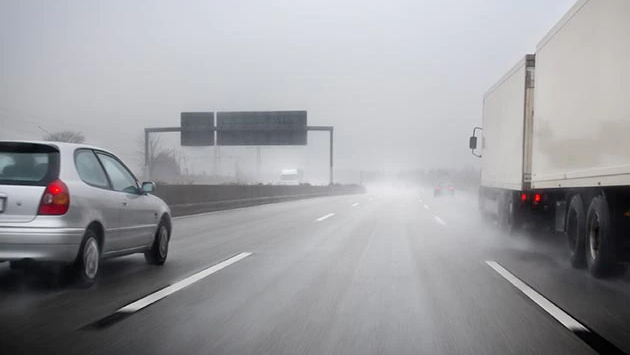
When a severe storm strikes, stay safe until the danger has passed. Remain indoors and away from windows, monitor weather alerts and local updates and instructions, and avoid driving. Roads can flood quickly, visibility may be limited, and debris or downed power lines may block your path. If the power goes out, use flashlights, not candles, to help reduce the risk of fire.
After the storm: Safety and recovery tips
Once the storm is over and it’s safe to go outdoors, take these steps to begin the recovery process:
Assess post-storm damage
Check for injuries and remain vigilant for hazards such as downed power lines, gas leaks or structural damage. Be sure the area is secure before moving around your home.
Document storm damage
Document property damage, both inside and out. Take photos and videos of any damage to help support insurance claims.
Protect your property
Help prevent further damage to your property by temporarily covering broken windows, holes in the roof or other vulnerable areas using tarps or boards. Work with a contractor to help ensure that these temporary measures are effectively implemented.
Contact your insurance carrier
If your property has sustained damage and a claim is necessary, notify your insurance carrier as soon as possible.
Avoid contractor scams
Be cautious of potential scams during recovery. Always verify contractor credentials and references before utilizing their services, and never pay for services in full upfront.
How home, auto and renters insurance can cover storm damage
Home, auto and renters insurance is your first line of financial defense against the high costs of storm recovery.
Homeowners insurance coverage
Typical homeowners insurance covers damage caused by wind, hail and falling trees or debris. Roof damage is generally covered under the base policy, although some insurers may limit coverage or offer an endorsement to provide replacement cost protection. Sewer backup coverage can be added to many policies as an optional endorsement.
Comprehensive auto insurance
Comprehensive auto insurance coverage is essential for protection against the costs of hail, falling branches and other storm-related damage. Without it, you could be responsible for repairs or total loss out of pocket.
Renters insurance protection
Renters insurance helps cover costs to repair or replace personal belongings that may be damaged due to a storm. It may also provide loss-of-use coverage if your rental unit becomes uninhabitable.
Understand flood coverage and policy maintenance
It’s important to note that homeowners and renters policies typically do not cover flooding. Consider a separate flood insurance policy from the National Flood Insurance Program or a private insurer, especially in flood-prone areas.
Review and update your coverage regularly to help ensure that it keeps pace with rising repair costs, property values and risks. Maintain a current home inventory with photos, receipts and serial numbers to make claims easier.
Being prepared can mean peace of mind
Severe convective storms can strike with little warning, making advance planning essential. Taking the time to prepare your home and your family can reduce your risk – and be sure to sign up for local emergency alerts so you’ll know when severe weather is on the way. These steps can make a big difference when time is short.
Don’t wait for the storm warnings. Contact your insurance representative or independent agent today to review your coverage and ensure that your home and property are protected against severe weather damage.
Sources
1 https://www.ncei.noaa.gov/access/billions/events
2 https://www.nssl.noaa.gov/education/svrwx101/thunderstorms/
3 https://www.nssl.noaa.gov/education/svrwx101/thunderstorms/types/
4 https://www.weather.gov/lmk/niu_tornado_frequency_study