Car Maintenance Checklist: Help Keep Your Vehicle in Top Condition

Keeping up with a car maintenance checklist is one of the best ways to help your vehicle stay safe, reliable and efficient. Without a routine, it’s easy to overlook small but essential tasks, and that can lead to major problems.
From understanding the importance of regular maintenance to knowing which tasks to prioritize, here’s how you can stay ahead of potential issues and keep your car in top condition.
Why regular car maintenance matters
Regular car maintenance isn’t always convenient, but it’s essential for safety, savings and long-term reliability. Vehicles are made up of many interdependent systems. When one part fails, others may be affected. For example:
- Skipping an oil change can damage the engine.
- Ignoring tire pressure can increase accident risk.
- Neglecting brake inspections can compromise your ability to stop safely.
Your vehicle maintenance checklist
Every car’s needs are different, but some tasks apply across most makes and models. Use this vehicle maintenance checklist as a guide.
Check and maintain your car’s fluids
Fluids are essential to your vehicle’s health, keeping systems running safely and efficiently. When they’re low or they deteriorate, performance can suffer and parts may wear out faster.
Engine oil
Reduces friction and protects the engine. Most vehicles now have a dashboard warning light that signals when it’s time for an oil change, but it’s still a good idea to check levels regularly. If you’re unsure, a mechanic can confirm whether service is needed.
Coolant
Regulates temperature and prevents overheating. Some vehicles include a coolant or temperature warning light, which may come on if levels are low or the system overheats. Topping off coolant can be simple in some vehicles, but flushing the system or addressing leaks should be left to a professional.
Brake fluid
Ensures stopping power in emergencies. A brake warning light may appear if fluid levels drop too low or there’s a problem in the system. Because brakes are critical to safety, fluid checks and replacements are best handled by a mechanic.
Transmission and steering fluids
Support smooth driving. Warning lights are less common, so issues are often identified during scheduled service. Because these systems are harder to access, rely on a professional for inspection and maintenance.
Some fluids, like windshield washer fluid, are quick and easy to refill. Others involve more complex systems that require specialized tools or knowledge. When in doubt, consult your service manual or bring your vehicle to a trusted mechanic.
Inspect your tires
Your tires play a direct role in safety and performance, making them one of the most important items on your car maintenance checklist.
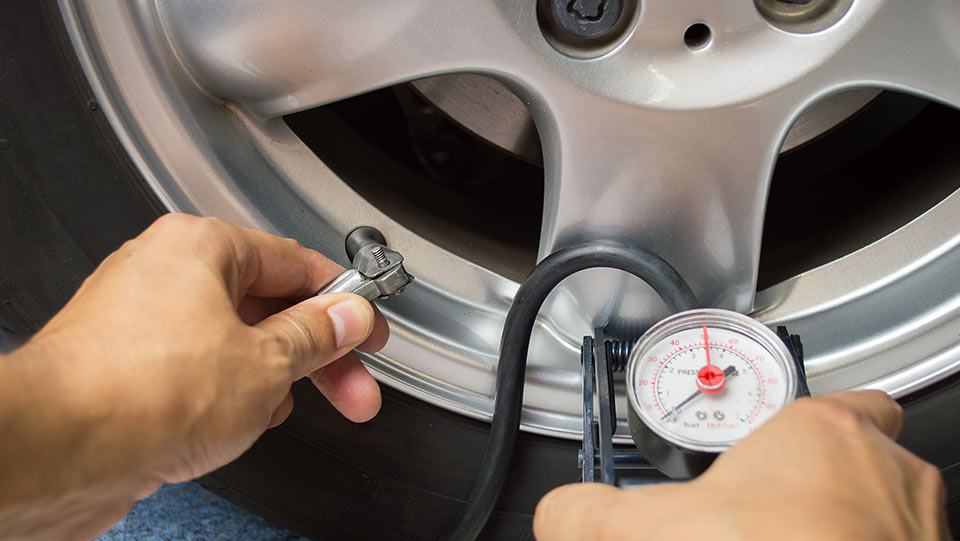
Check tire pressure regularly
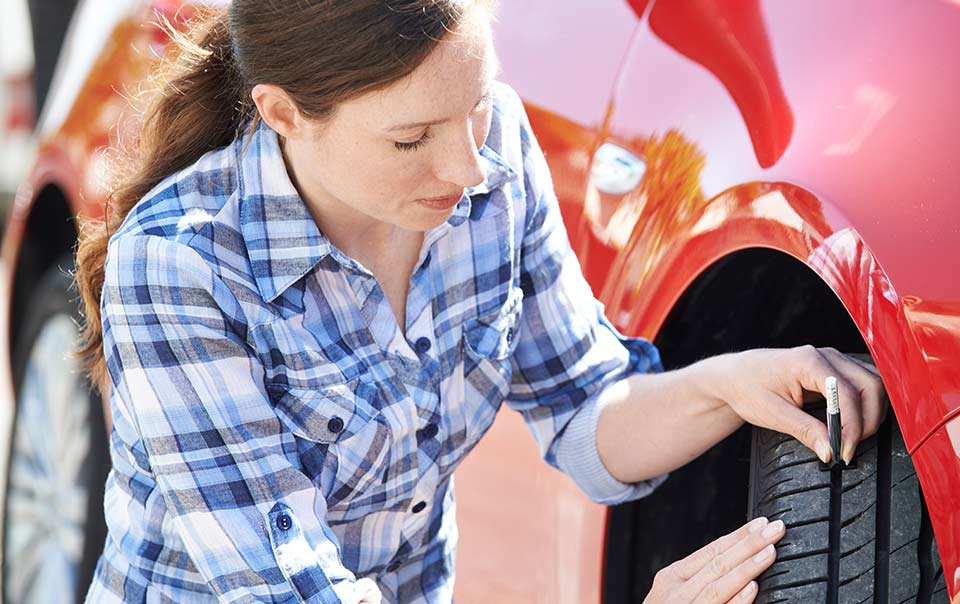
Underinflated tires can reduce fuel efficiency, affect handling and increase the risk of a blowout. Overinflated tires may wear unevenly and reduce traction. Use a tire gauge to compare your tire pressure against the manufacturer’s recommended levels, usually found on a sticker inside the driver’s door or in your owner’s manual.
Inspect for wear and tear
Uneven tread wear may signal problems with alignment, suspension or tire balance. It’s a good habit to check tire tread regularly – you can measure tread depth with a tread gauge or by using the penny test.
Rotate tires on schedule
Tire rotation helps promote even wear, which extends tire life and improves performance. Many mechanics recommend rotation every 5,000 to 7,500 miles,1 though your vehicle’s service manual should confirm the right schedule.
Regular tire pressure checks, tire rotation and a routine check of tire tread are simple ways to improve safety, enhance fuel economy and extend the life of your tires.
Replace cabin and engine air filters
Air filters may be small parts, but they play an important role in keeping your car running efficiently and comfortably.
Engine air filter
Keeps dirt, dust and other debris out of the engine. A clogged filter can reduce fuel efficiency, cause sluggish acceleration and put extra strain on the engine. It’s recommended that an engine air filter be replaced every 15,000 to 30,000 miles,2 but drivers in dusty or rural areas may need to change it more often.
Cabin air filter
Improves air quality inside your vehicle by capturing dust, pollen and other pollutants before they enter through the heating and cooling system. A dirty cabin air filter can reduce airflow, make your defroster less effective and cause musty odors. For drivers with allergies or sensitivities, keeping this filter fresh is especially important.
Are all lights working properly?
Your vehicle’s lights are essential for both safety and compliance with traffic laws. They help you see clearly at night and in poor weather, while also ensuring that other drivers can see you. Regularly check your headlights to confirm that both high and low beams are working correctly. Make sure taillights and brake lights function properly so drivers behind you know when you’re slowing down or stopping. Turn signals are equally important – a fast-blinking indicator often means a bulb has burned out and needs to be replaced.
It’s a good habit to have someone walk around your car once a month to visually check every light, including reverse lights and hazard flashers.
Some vehicles provide dashboard alerts for bulb failures, but not all do.
Wiper blade maintenance
Clear visibility is essential for safe driving, and wipers are your first defense in rain, snow or sleet. Streaking, squeaking or chattering across the glass are all signs that blades need replacing.
Extreme temperatures can shorten their lifespan, so drivers in harsh climates may need to replace blades more often. As a rule of thumb, you should check your wiper blades every six months.
Check your blades at the start of each season and make sure washer fluid is filled. Using seasonal washer fluid blends (winter vs. summer) helps blades last longer and work more effectively.
Test and maintain your car battery
Your car battery powers everything from starting the engine to running lights and electronics. Over time, batteries lose charge, and extreme heat or cold can shorten their lifespan.
Check for corrosion
White or bluish buildup on the battery terminals can interfere with power flow. Cleaning it off promptly can help prevent starting problems.
Test the charge
Many auto shops test batteries for free during routine service. A weak battery may still work for a while but can fail without warning, leaving you stranded.
Slow engine cranking, dim headlights or the need to jump-start your car more than once are all signs the battery may be nearing the end of its life.
Wear and tear on belts and hoses
Belts and hoses may not be as visible as tires or lights, but they’re critical to keeping your vehicle running. They connect and power systems such as the alternator, water pump and air conditioning.
Inspect for cracks or wear
Rubber components can dry out, fray or split over time, especially in older vehicles.
Replace on schedule
Many belts and hoses are designed to last up to four years or 60,000 miles,3 but harsh driving conditions may shorten their lifespan.
Squealing noises from the engine bay, visible cracks or bulges, or leaking coolant may point to failing belts or hoses. Have them inspected at every annual service.
Do brakes need maintenance?
Your brakes are among the most important safety systems in your vehicle. Worn parts reduce stopping power, increase stopping distance and raise the risk of accidents.
Test responsiveness
If the brake pedal feels soft or spongy or takes longer to engage, there may be an issue that requires service.
Inspect brake pads
Pads wear down gradually, and if they’re thin or squeaking, it’s time to replace your brakes.
Listen for the squeal
Many brake pads have a metal tab that deliberately makes a high-pitched squeal when the pad gets too thin. If they’re thin or squeaking, it’s time to replace your brakes.
Grinding noises, vibration when braking or the car pulling to one side are all warning signs. Don’t wait to schedule service – timely brake maintenance is one of the most effective ways to stay safe on the road.
Car maintenance checklist
To make staying on track easier, download this car maintenance checklist template. This printable car maintenance schedule PDF provides a simple way to record monthly, quarterly and annual tasks. By following routine maintenance on a car, you can plan ahead, avoid surprises and keep your vehicle in top condition.
Car maintenance schedule: When to perform routine tasks
Following a car maintenance schedule helps ensure that routine maintenance on a car is done consistently and that nothing slips through the cracks.
Monthly
Check tire pressure, fluid levels and lights. A quick tire pressure check can improve fuel economy and extend tire life. Glance at your fluid levels, such as oil and coolant, to catch issues early. Test headlights, brake lights and signals to ensure visibility and compliance.
As needed
Replace wipers, filters and the battery. Wiper blades wear faster in areas with heavy rain or snow. Filters should be replaced when dirty to keep systems efficient. Batteries typically last three to five years but may weaken sooner in extreme temperatures.
Annually
Schedule professional inspections for brakes, belts, hoses and alignment. In some states, annual vehicle inspections are required by law, so staying on top of this keeps you compliant as well as safe.
How much does car maintenance cost?
The cost of keeping a car in good condition depends on several factors. The make and model, the vehicle’s age and how often it’s driven all play a role. Driving habits and road conditions also affect wear and tear. In general, high-performance and luxury models – as well as older cars that require more frequent service – tend to be more expensive to maintain than standard vehicles.
Routine services like oil changes, tire rotations and filter replacements usually cost far less than major repairs such as transmission or engine work. While exact prices vary, most routine tasks fall in the lower hundreds of dollars, compared with multi-thousand-dollar bills when critical systems fail.
A good rule of thumb is to set aside a small amount each month specifically for vehicle upkeep. If possible, reserving $50 to $100 monthly can help cover scheduled maintenance and provide a cushion for unexpected repairs. Treating maintenance as part of your household budget helps spread costs out over time and can reduce financial stress when service is needed.
The importance of regular car maintenance
A structured car maintenance checklist is about more than convenience – it’s about helping ensure safety, savings and long-term reliability. By recognizing the importance of regular maintenance and committing to a schedule, you can extend your vehicle’s lifespan and drive with confidence.
Having the car insurance to fit your needs matters just as much as keeping up with maintenance. Reach out to your Travelers representative or local independent agent for a car insurance quote and see if you can save on your premiums.
Sources
1https://www.consumerreports.org/cars/tires/how-often-should-you-rotate-your-tires-a6498961903/
2https://motorist.org/the-importance-of-engine-air-filter-replacement/
3https://motorweek.org/goss_garage/belts_hoses/