Lithium-Ion Battery Safety for Homeowners

Key takeaways
- Lithium-ion batteries power many everyday devices and home systems, offering efficiency and convenience.
- While generally safe, they can overheat, catch fire or leak fluid if damaged or misused.
- Homeowners can reduce risks by charging and storing batteries properly, using approved chargers and recycling damaged or expired batteries at designated collection sites.
- Knowing how to respond to overheating or fire, along with following basic fire safety practices, can help keep homes and families protected.
In today’s technology-driven world, lithium-ion batteries are essential. Lithium battery safety matters because the batteries power everything from personal electronics to electric vehicles and home energy systems and set new standards for battery efficiency and longevity. But with widespread use also comes potential risks, including overheating, fire or environmental harm from improper disposal. It’s important for homeowners to be aware of these risks and handle lithium batteries with care to help safeguard their families and homes.
What are lithium-ion batteries?
Lithium-ion batteries are rechargeable batteries that store and release energy as lithium ions move between the negative and positive electrodes through an electrolyte inside the battery while electricity powers your device.1 This technology is an advancement over older battery types, packing significant power into a lightweight, compact design. Lithium-ion batteries can also:
- Recharge many times before their capacity degrades.
- Hold a charge for prolonged periods when not in use.
- Provide higher power output compared to other rechargeable batteries of similar size.
Where are lithium-ion batteries used in the home?
Lithium-ion batteries power a wide range of everyday devices. They’re the energy source behind personal electronics such as smartphones, laptops, tablets, wireless headphones and fitness trackers. These compact, rechargeable batteries also keep small household devices running, such as electric toothbrushes, shavers and smart home products like video doorbells and thermostats.
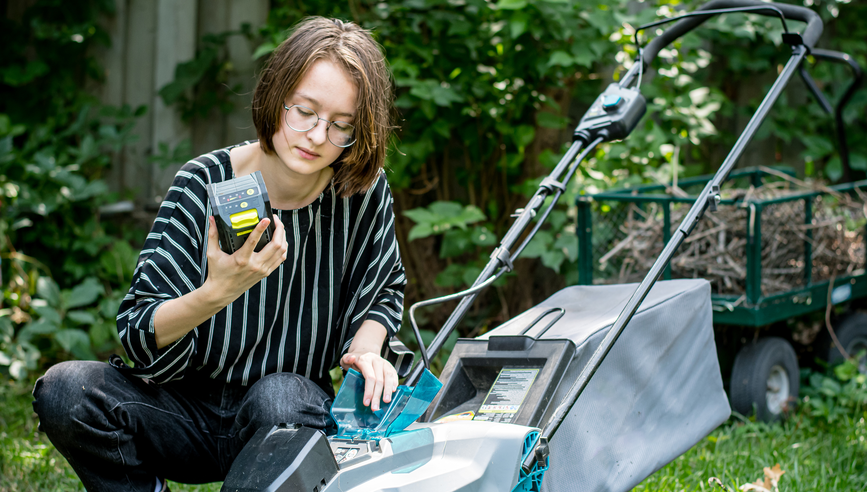
Beyond everyday gadgets, lithium-ion batteries can power larger tools and systems around the home. They’re often found in cordless drills, lawn equipment and cordless vacuums, as well as power banks, electric vehicles, home solar systems, scooters and remote-control toys – adding efficiency, convenience and mobility to daily life.
Risks of lithium-ion batteries in the home
While lithium-ion batteries are often safe and reliable for home use, they can still pose risks such as fire, explosion, release of hazardous chemicals and other safety hazards during an event called thermal runaway. These concerns are similar to those identified with larger-scale storage systems used in commercial and industrial settings, where the increased use of lithium-ion technology has highlighted the importance of proper design, installation and risk management.
Thermal runaway and fire
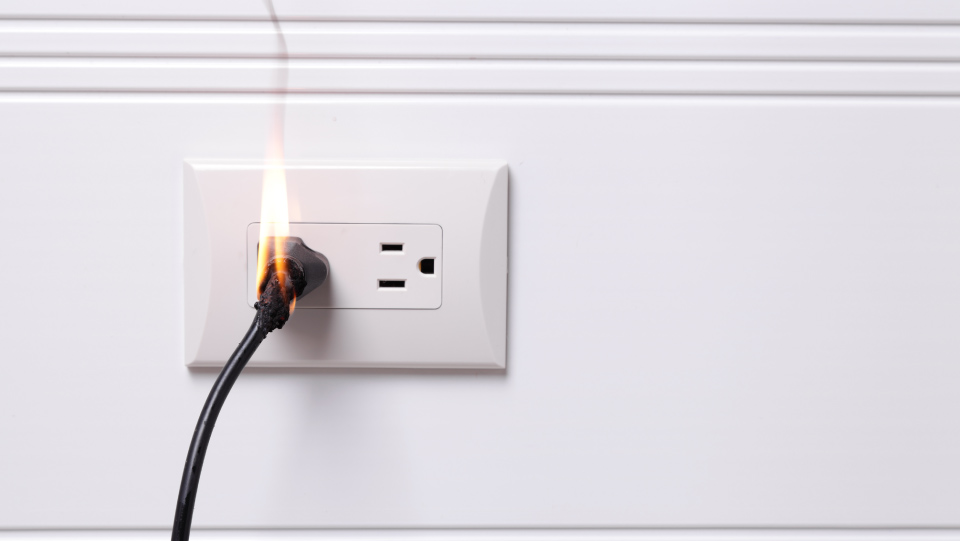
If a lithium-ion battery is damaged or defective, the energy stored inside can escape rapidly, causing it to overheat in a process known as thermal runaway. Thermal runaway happens when a battery generates heat faster than it can release it, which can lead to emitting of flammable gases and, in some cases, fire.
Thermal runaway may be triggered by:
Physical damage. Dropping, puncturing or crushing a battery can damage its internal structure and cause a short circuit within the battery that leads to overheating.
Charger incompatibility. Using a charger that is incompatible with the battery can cause overheating or other damage. Always use the charger that came with the product.
Aging. As a lithium-ion battery’s internal components wear down over time, the risk of thermal runaway increases.
External heat. Leaving a device on a heater, in direct sunlight or inside a hot car can cause the battery to reach unsafe temperatures.
Water damage. Batteries that become water-logged after being submerged can short-circuit internally and overheat.
Manufacturing defects and recalls
Manufacturing defects are an unpredictable risk that can contribute to thermal runaway, fires and chemical leaks. While manufacturers usually identify defects during quality checks, some defects may still leave the factory. These defects are often only identified after consumers file multiple complaints. When many failures are reported, the manufacturer typically will issue a recall to alert consumers and provide a free repair, replacement or refund.
Safety precautions for lithium battery use at home
You can help minimize the potential hazards of lithium-ion batteries by following these safety practices.
Guidelines for charging
Always use the charger that came with your device or a manufacturer-approved charger. This helps the battery charge safely and perform as intended.
Charge on a stable surface. Always charge your devices on a flat, solid, secure surface such as a countertop or tile floor. Soft or flammable surfaces like beds, couches or carpets can trap heat and increase the risk of overheating.
Avoid unattended charging. Don’t leave devices plugged in overnight or while you’re away from home. Keeping devices in sight while they charge can help you spot warning signs before they become serious.
Unplug fully charged batteries. Once a battery is fully charged, remove it from the charger. Leaving it connected for extended periods can cause unnecessary heat buildup and may shorten the battery’s lifespan.
Purchase quality products. Look for products with recognized safety certifications, such as UL (Underwriters Laboratories) or Intertek, which indicate the product has been independently tested and meets established safety standards. Products bearing the CE (European Conformity) mark indicate that the manufacturer claims compliance with applicable European requirements.
Guidelines for storage
Extreme temperatures – both hot and cold – can damage batteries and reduce how long they last. Store them in a cool, dry place, at least 3 feet away from anything that could catch fire, such as paper, wood or fabric. When using devices like laptops, avoid placing them on soft surfaces such as beds, carpets or couches that can trap heat and cause overheating.
Tips for monitoring battery health
Lithium batteries can catch fire even when they’re not in use. Monitor their health for signs of potential failure.
Watch for warning signs. Swelling, excessive heat, corrosion, unusual odors, hissing or crackling sounds can all indicate that the battery is failing.
Check for physical damage. Dents, cracks or punctures in the device or battery pack can harm internal components and increase the risk of fire. Even a small dent can be dangerous.
Avoid moisture. Keep batteries and devices dry. Water or other liquids can cause short circuits and lead to battery failure or fire.
If you notice any of these issues, stop using the device and contact the original manufacturer for guidance or a replacement. Avoid trying to repair it yourself. Opening a battery or device to diagnose an issue can release harmful chemicals and increase the risk of fire or explosion. Replace damaged batteries or devices rather than trying to repair them.
Device-specific precautions
Every electronic device is different, and manufacturers provide specific instructions to keep devices operating safely. Following those instructions can help reduce the risk of battery-related problems.
Read the safety information. Take time to review the safety precautions and warnings included with each device. These details often explain how to charge, store and use the device safely.
Make sure everyone understands the warnings. If multiple people use the same device, like a shared tablet or power tool, make sure each user knows how to handle and charge it safely.
Stay alert for recalls. Check for product recalls at least once a year. If a recall has been issued for your device or battery, stop using it immediately and follow the manufacturer’s instructions.
Proper disposal
Improper disposal of lithium-ion batteries can spark fires in garbage trucks or landfills and can release harmful materials into the environment. To help prevent these hazards, always follow safe disposal practices.
Make sure the battery is cool before disposing of it, and if it’s damaged or swollen, place it in a non-combustible container such as a metal can. Keep it separate from other trash items and away from heat or direct sunlight.
Never put batteries in the regular trash or curbside recycling bin. Instead, drop them off at designated battery recycling or hazardous waste collection sites. Some hardware and electronics stores also accept used batteries. Check with your local waste management service for specific guidance on safe battery disposal in your area.
Emergency procedures
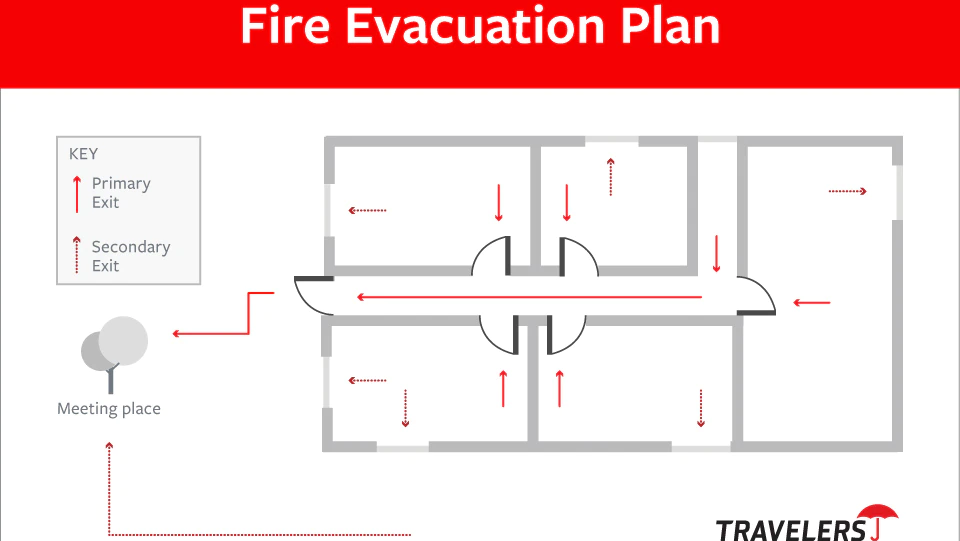
Although uncommon, battery failures can occur, and knowing how to respond can help keep you and your household safe. Following basic fire safety practices can also help reduce the risk of serious damage if an incident occurs.
Prioritize safety. If a lithium-ion battery fails, overheats or catches fire, safety comes first. Move people and pets away from the area and call 911 immediately.
Unplug if it’s safe. If the device is charging and it’s safe to do so, unplug the charger from the wall. Do not touch or try to move the battery or device.
Avoid using water or fire blankets. Do not attempt to extinguish a lithium-ion battery fire with water or a fire blanket, as these can cause the fire to become more severe or reignite later. Contact emergency services and allow professionals to manage the situation safely.
Handling damaged batteries
Never try to use a damaged or swollen lithium-ion battery again. Even if it is working, internal damage can make it unstable and can increase the risk of fire. Safely replace the battery or device according to the manufacturer’s instructions.
Stay safe with lithium-ion batteries at home.
Lithium-ion batteries power many of the devices used every day, from personal electronics to household tools and appliances. With proper care, these batteries can be used safely and confidently while reducing the risk of fire or injury.
If you have questions about your homeowners insurance policy coverage and battery-related losses, talk with your independent agent or Travelers representative.
Source
1 https://www.energy.gov/energysaver/articles/how-lithium-ion-batteries-work